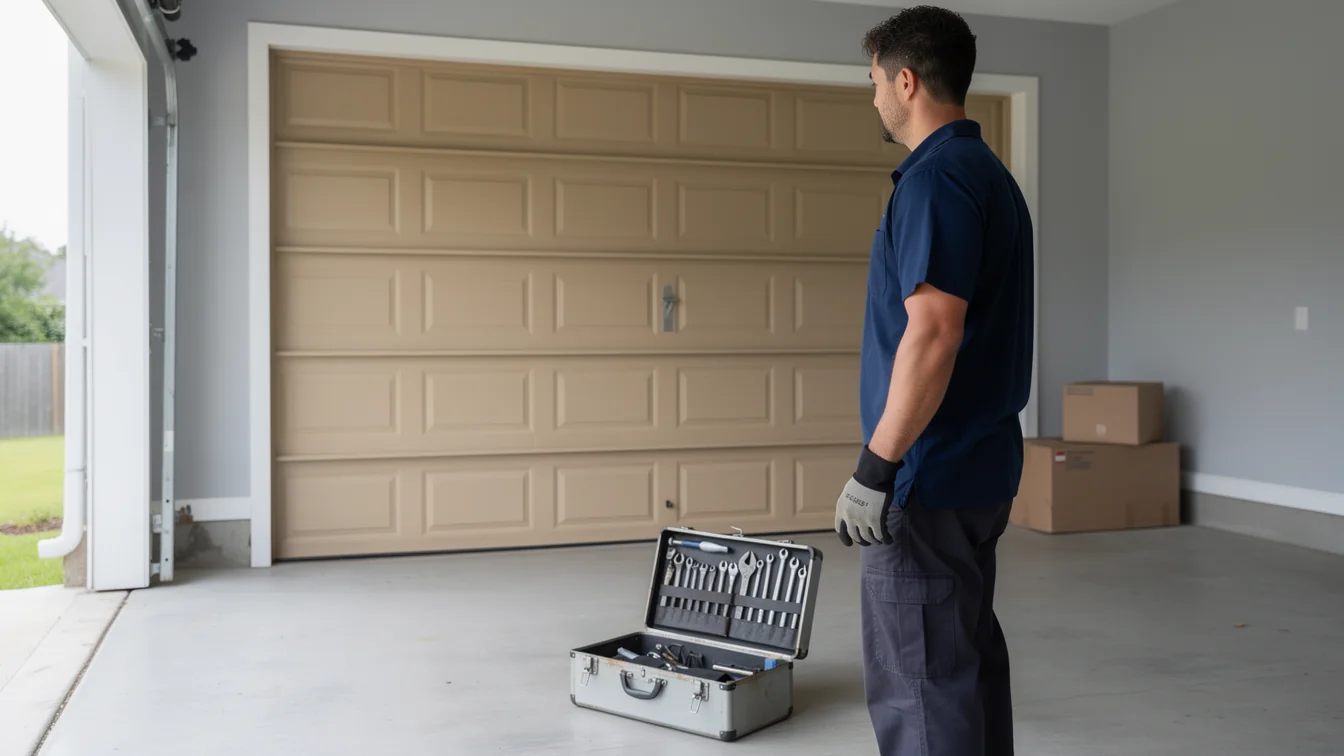
 What Actually Happens When We Come Out to Your Door
A straight look at what a garage door service call checks on Carlisle's 1938-1998 housing stock, built for a cold-climate region with sixty-year-old hardware still in use.
Replacing a Garage Door in Carlisle: What Actually Fits Your House
A guide to replacing a garage door in Carlisle, PA, built around the area's 1960s housing stock, cold winters, and what actually fits these openings.
Local detail
What Is Going On
Most houses around Carlisle went up between 1938 and 1998, with the median landing around 1962. That matters more than people think when a door finally gives out. A door bought off a shelf today is built for openings framed to modern tolerances, and a lot of the garages in this area - across the 33 named communities in the service area, from Schlusser and Boiling Springs in close to Mechanicsburg and Dillsburg further out - were framed decades before those standards existed. Jambs are out of square by an inch or more. Headroom is shorter than current springs and openers expect. You're not just swapping a panel, you're often reworking the track and jamb to make a new door sit right.
The other piece is money. Median household income in this area runs $76,906, and with 25,757 owner-occupied houses out of roughly 52,227 households, a lot of these are long-owned homes where the garage door has never been touched since the house was built. When it fails, it's usually failing all at once - spring, rollers, and a bent track that's been limping along together for years. A straight swap rarely works; you're replacing a system, not a part.
The area
What the Weather Here Does to It
This area sits in a severe cold climate band, and that changes what a replacement door needs to do, not just look like. Steel contracts in deep cold and the gap between panel sections opens up. On a door installed decades ago to looser tolerances, that gap lets wind and cold air straight into the garage, and on an attached garage, straight into the house above it. A new door with a tighter weather seal and a thicker insulated panel earns its keep here in a way it wouldn't in a mild climate.
Cold also stiffens the lubricant in old rollers and hardens cables, so a door that worked fine in October can bind or jump track in January even with nothing visibly broken. If you're replacing the door anyway, this is the point to also replace rollers and cable rather than bolt a new panel onto hardware that's already fighting the cold. Skipping that step is the most common reason a 'new' door starts acting old again by the second winter.
What we find
Checking It Yourself
Before you call anyone, open the door by hand with the opener disconnected and see how it moves. On houses from the 1962 median era, a door that drags on one side or won't stay up on its own usually means the torsion spring has lost tension, not that the door itself is bad. Check the bottom panel too - condensation from a cold-climate winter sitting against an older wood or thin-steel bottom section will rot or rust it out well before the rest of the door fails.
Look at the track next. On older framing, track brackets were often lag-bolted straight into jamb wood that's shrunk and shifted over sixty years. If the track flexes when the door passes a certain point, that's a structural issue, not a lubrication one, and no amount of WD-40 fixes it. If you see daylight around the top or sides when the door's shut, that's the seal doing exactly what cold-climate air expects a worn seal to do: fail.
How we work
Where People Go Wrong
The biggest mistake is buying a door sized for a modern opening and assuming it'll drop into a 1960s-era jamb without modification. It usually doesn't, and the fix-it-as-we-go approach ends up costing more than planning the jamb work up front. The second mistake is replacing the door but keeping the original hardware because it 'still works' - on a house this age, hardware that still works is hardware that's due.
We'll say plainly: not every door needs replacing. If the spring is the only thing gone and the track and panel are square and solid, a spring swap is the honest call and costs a fraction of a full door. We won't sell a full replacement on a door that only needs a part. But if the panel's cracked, the track is bent, and the seal is gone, patching one of those and leaving the others is just delaying the same call by a season or two.
Questions
Common questions
Why doesn't a standard replacement door fit my garage?
A lot of garages here were framed between 1938 and 1998, with many around 1962. Jambs settled and shifted since then, so a door built to today's standard opening size often needs the jamb or track adjusted to fit, not just a straight swap.
Does the cold really affect garage doors that much?
Yes. This area sits in a severe cold climate band, and steel panels, cables, and rollers all stiffen or contract in deep cold. A worn seal or loose track that's tolerable in summer can bind, jump, or let drafts through once winter sets in.
Do I need a whole new door or just a new spring?
Not always a whole door. If the track and panel are still square and solid and only the spring has failed, replacing the spring is the honest, cheaper fix. A full replacement only makes sense once the panel, track, or seal are all going at once.
Recommendation
You Might Also Like
More garage door guides for Carlisle homeowners.
What Actually Happens When We Come Out to Your Door
A straight look at what a garage door service call checks on Carlisle's 1938-1998 housing stock, built for a cold-climate region with sixty-year-old hardware still in use.
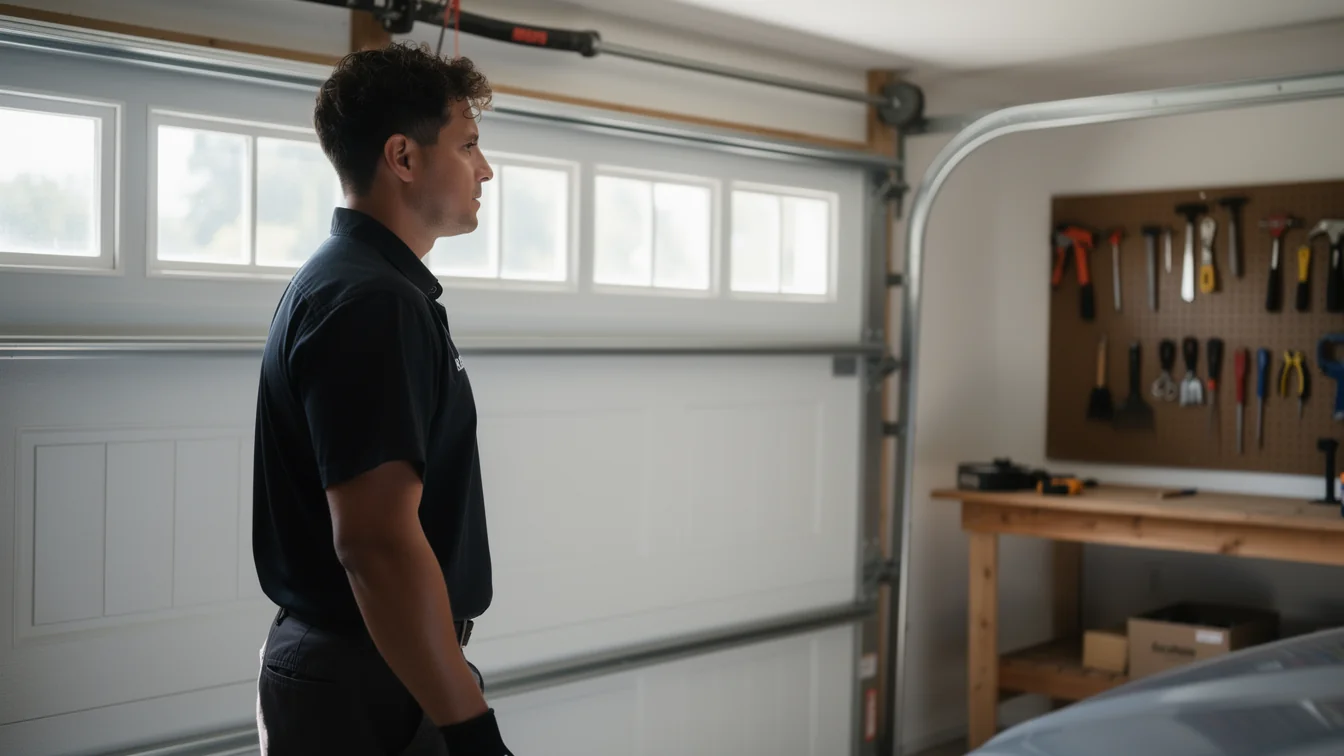 What That Noise From Your Garage Door Is Actually Telling You
Carlisle homes built mostly in the 1960s and 70s carry noises tied to that age and our cold winters.
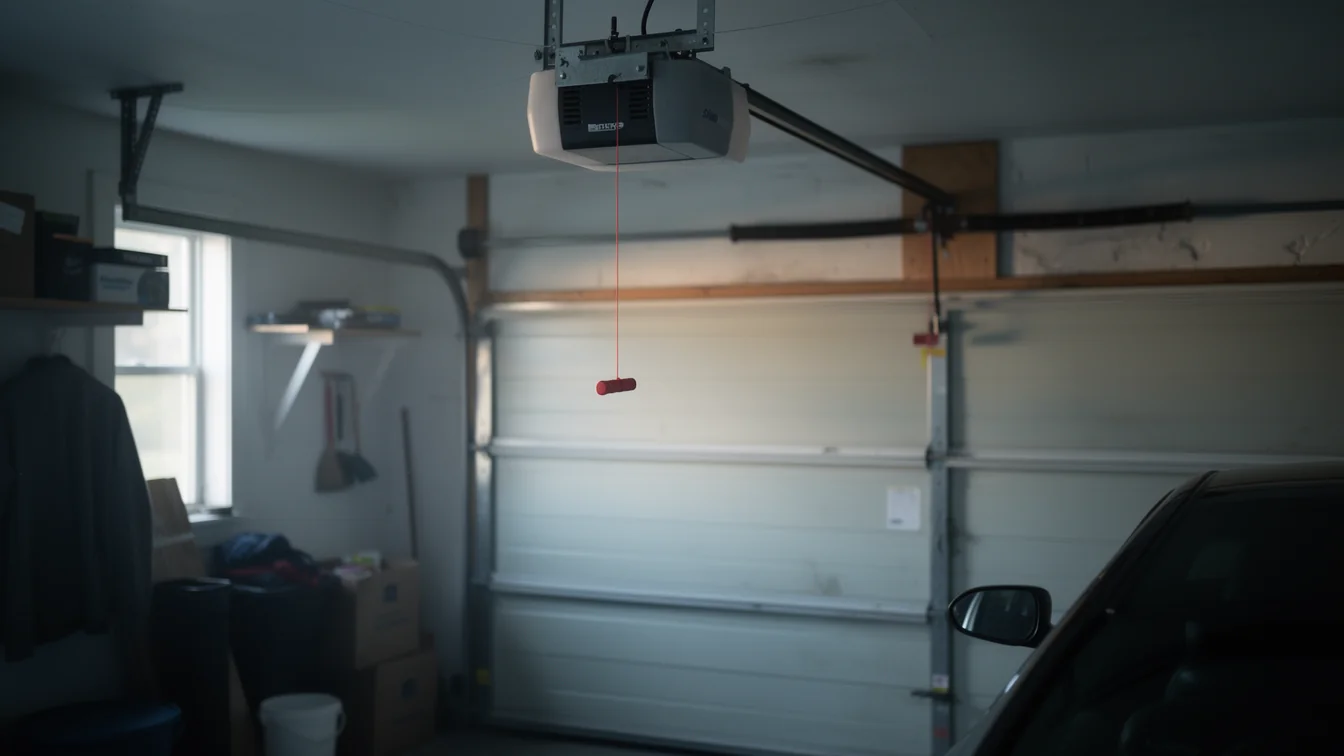 Openers and Power Cuts in Carlisle Homes
Carlisle homes built mostly 1938-1998 pair old opener wiring with severe cold winters.
Ready when you are
Need a garage door sorted in Carlisle?
Carlisle Garage Door Pros repairs and installs garage doors, springs and openers in Carlisle, PA and the surrounding area.