
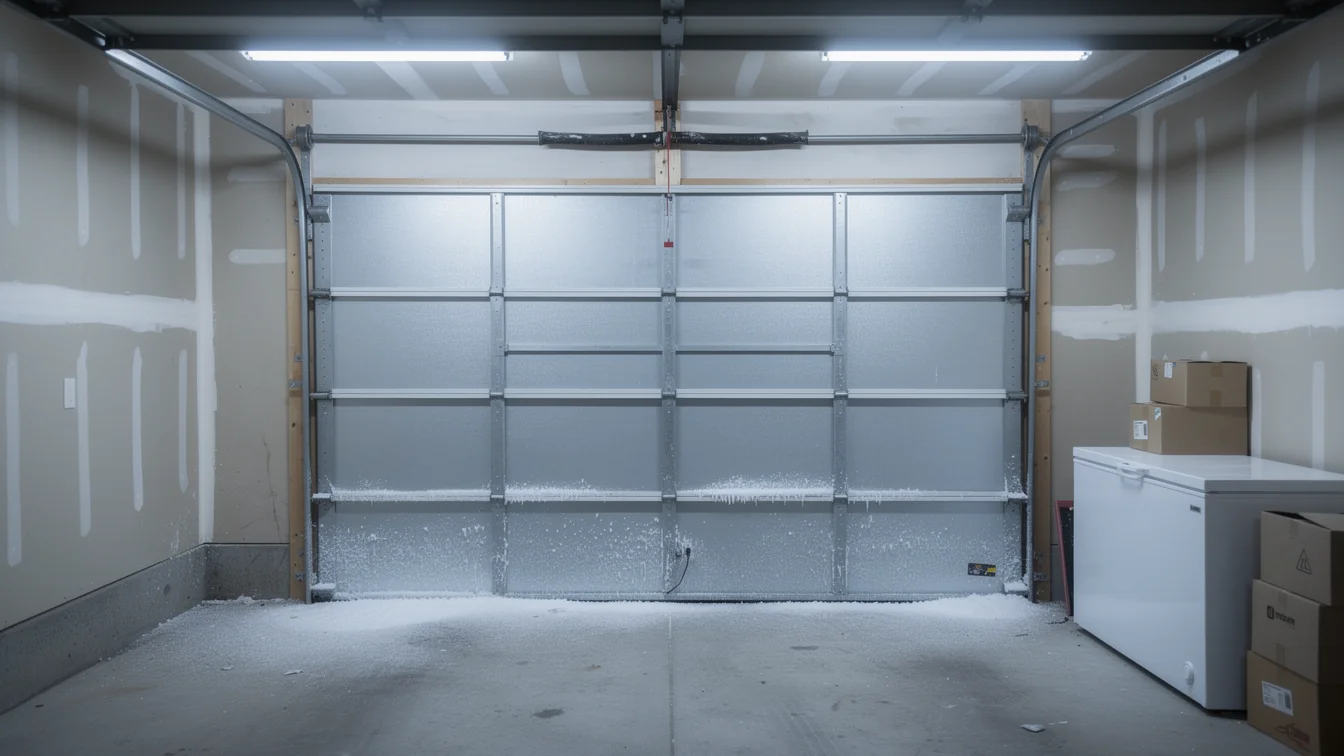
 Why Older Carlisle Doors Struggle With the Cold
Carlisle homes mostly date 1938-1998, median 1962, built before modern insulation codes.
Is Your Old Carlisle Garage Door Worth Fixing
Carlisle homes mostly date 1938-1998. Here's how that age, plus a cold climate, decides whether your garage door is worth repairing or replacing.
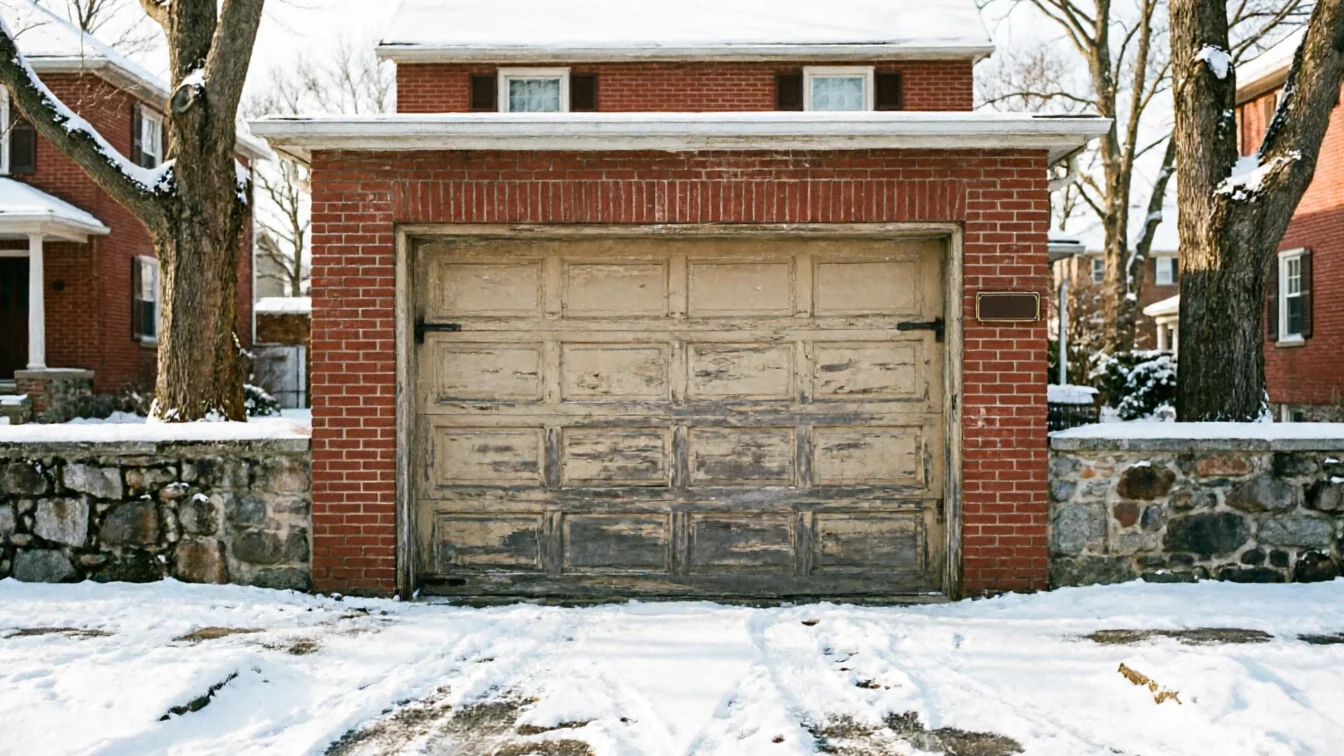
Local detail
What Is Going On
Most of the houses we get called to in this area went up somewhere between 1938 and 1998, with the middle of that range landing around 1962. That means a lot of doors out there are original or close to it - steel sectional doors from the 60s and 70s with hardware nobody stocks on the truck anymore, or replacements from the 80s and 90s that are now at the end of their own life. When a door that age starts acting up, the question isn't "can this be fixed" - almost anything can be fixed for a price. The real question is whether the door, the track, and the opener underneath it are worth putting more money into, or whether you're propping up something that's going to need the same call again in a year.
Across the towns we cover - Schlusser, Boiling Springs, Mount Holly Springs, and out toward Mechanicsburg and New Kingstown - we see the same pattern: a door from the Eisenhower-to-Reagan era, galvanized but not insulated, running on hardware sized for a lighter door than the one somebody bolted on later. That mismatch is often the actual problem, not just wear.
The area
What the Weather Here Does to It
This area sits in a cold, severe climate band, and that matters more to an old door than most people think. Steel contracts in cold weather, and on a door built in the 60s or 70s the tolerances were never tight to begin with. Panels that were a little bowed in July get noticeably tighter in January, and a track that was slightly out of plumb starts binding the rollers hard enough to pop a cable.
Springs take the worst of it. A torsion spring loses tension as temperatures drop, which is why so many of our winter calls are doors that "used to work fine" and now won't lift past the first foot. On a door that's already 40 or 50 years old, that's not a tune-up problem - the spring is past its wind-cycle life and the steel around the shaft is often fatigued too. We don't recommend just replacing the spring on a door that old and calling it done; the opener, cables, and rollers are usually on borrowed time right alongside it.
What we find
Checking It Yourself
Before you call anyone, there are a few things worth looking at yourself. Pull the release handle with the door down and try to lift it by hand. A properly balanced door, even an old one, should lift with one hand and stay roughly where you leave it. If it slams down or you can barely budge it, the springs are shot - that's a safety issue, not a maintenance note.
Look at the bottom panel and the rollers. On a house built in the 1962 range, original doors are usually single-layer steel with no thermal break, so you'll often see rust starting at the bottom corners first, where snowmelt and road salt sit against the panel all winter. Flaking paint there is cosmetic; rust-through at the panel seam is not.
Check the track brackets where they bolt to the framing. On older houses the framing itself has usually settled a little over 60 years, and a bracket pulling loose from the wood is common. That's a cheap fix if you catch it before the track bends.
How we work
Where People Go Wrong
The mistake we see most in this area is replacing one part - a spring, an opener, a cable - on a door old enough that the whole assembly is mismatched to begin with. You put a modern opener on a 1965 door with the wrong drum size and the new opener works twice as hard as it should, then fails early. That's money spent twice.
The honest limit here: if a door is original to a house built before the 1960s and the track, springs, and panel are all showing age at once, we'll tell you straight that replacement is usually the better spend, not another round of patch repairs. We don't push a sale on a door that's got real life left in it either - plenty of 1970s and 80s doors in this area are solid steel with good bones, and a new opener and spring set is money well spent on those. It comes down to what's actually failing versus what's just old.
Questions
Common questions
My garage door is from the 1960s - is it even worth fixing?
Depends what's failing. If it's just the opener or a cable and the panel and track are straight, repair makes sense. If the springs, track, and panel are all showing age together on a house from that era, you're usually better putting the money toward replacement instead of a second repair call next winter.
Why does my old door get harder to lift in winter?
Cold steel contracts and torsion springs lose a bit of tension as temperatures drop. On a door that's decades old, the spring is already near the end of its wind-cycle life, so winter cold is often what pushes a marginal spring into outright failure.
How do I know if it's the spring or something else?
Pull the manual release with the door closed and try lifting it by hand. If it's heavy, resists, or slams down, the spring has lost tension - that's a spring problem, not an opener problem, and it's not safe to keep running the opener against it.
Recommendation
You Might Also Like
More garage door guides for Carlisle homeowners.
Why Older Carlisle Doors Struggle With the Cold
Carlisle homes mostly date 1938-1998, median 1962, built before modern insulation codes.
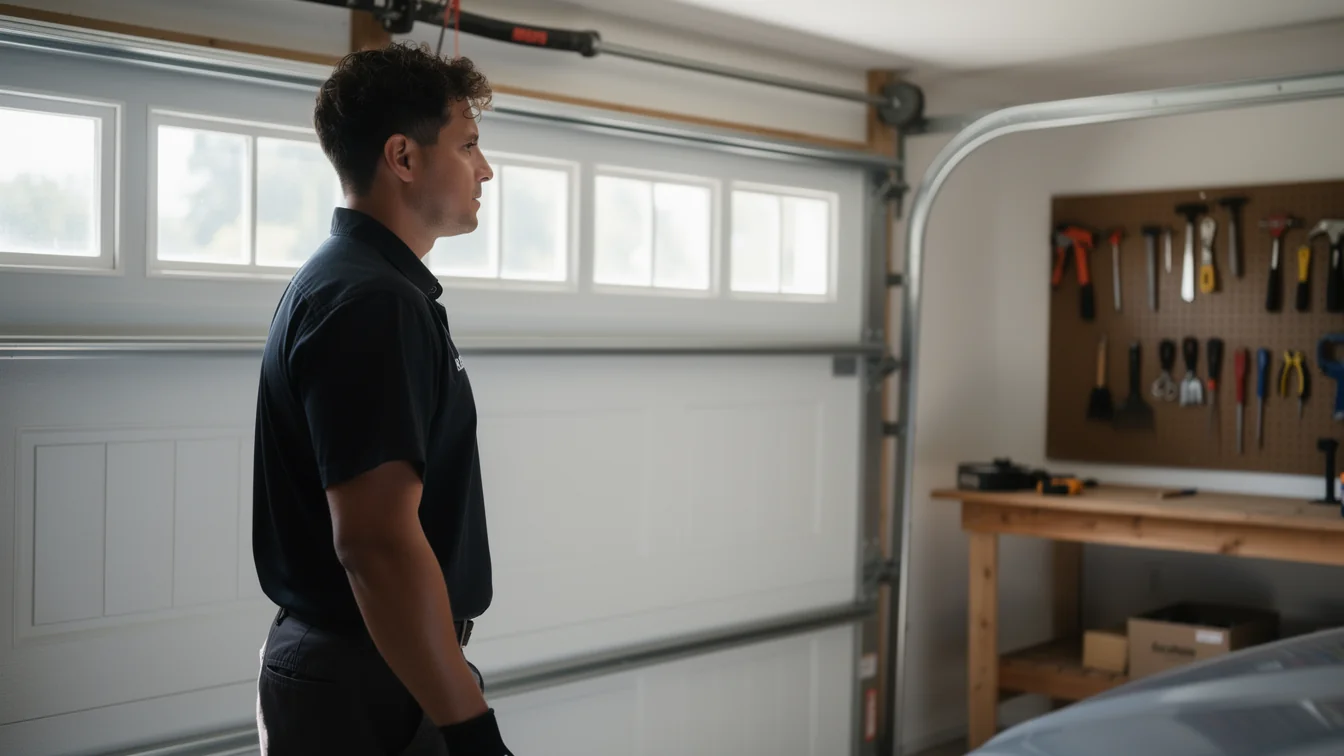 What That Noise From Your Garage Door Is Actually Telling You
Carlisle homes built mostly in the 1960s and 70s carry noises tied to that age and our cold winters.
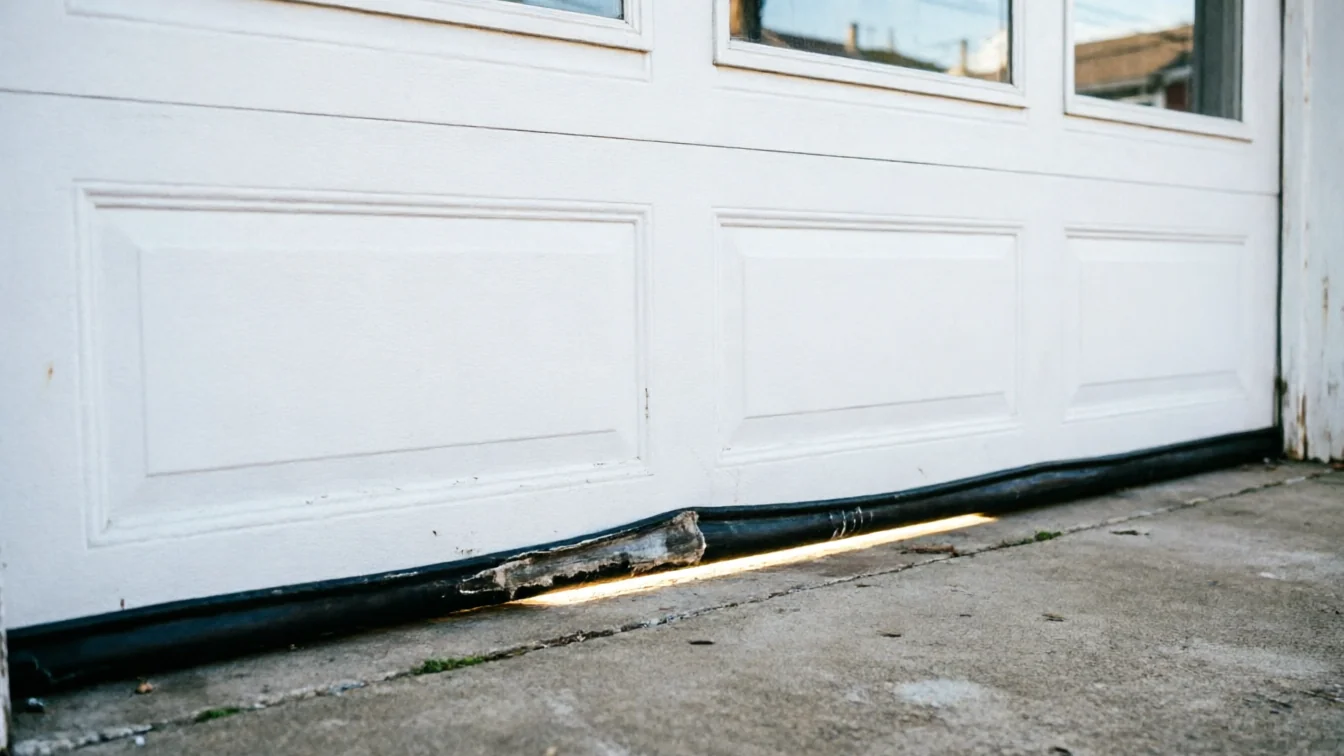 Why Your Garage Door Lets the Cold In
Carlisle homes mostly date 1938-1998, median 1962, and the cold here chews through old seals fast.
Ready when you are
Need a garage door sorted in Carlisle?
Carlisle Garage Door Pros repairs and installs garage doors, springs and openers in Carlisle, PA and the surrounding area.