
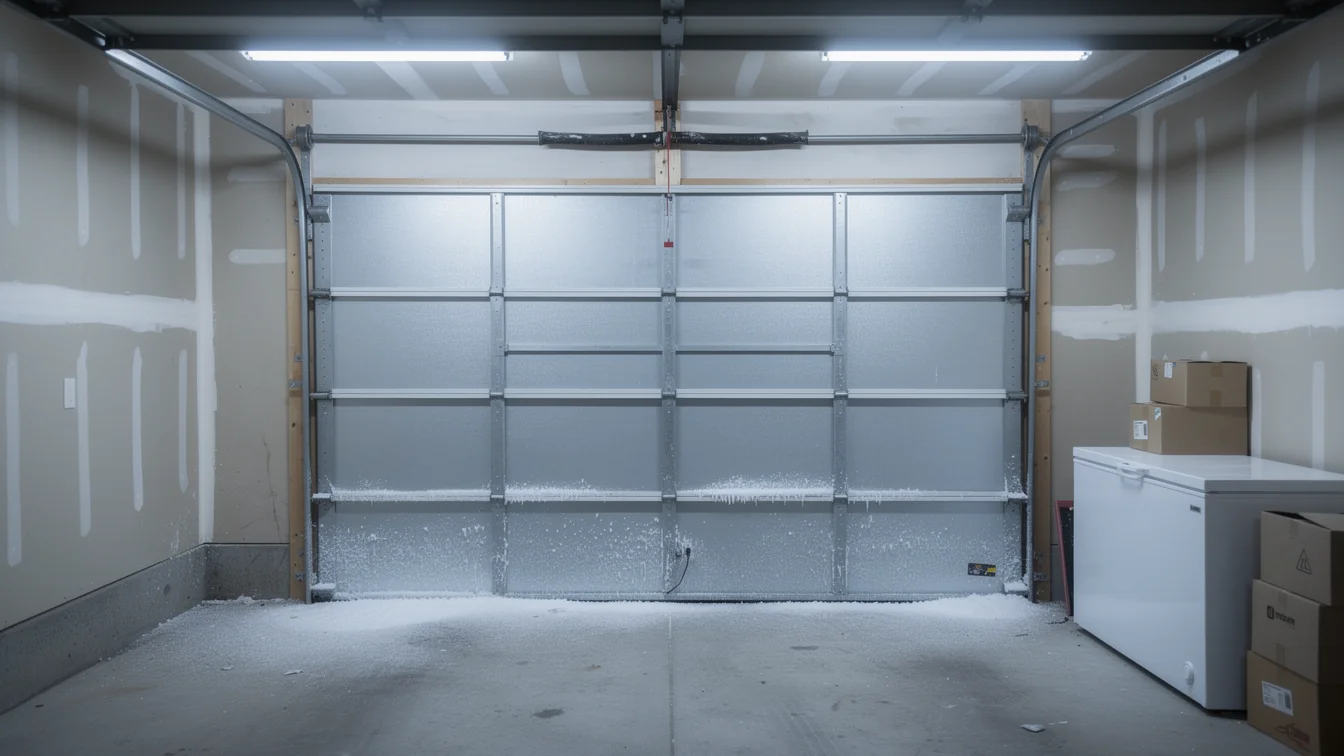
 Why Older Carlisle Doors Struggle With the Cold
Carlisle homes mostly date 1938-1998, median 1962, built before modern insulation codes.
Why Your Garage Door Lets the Cold In
Carlisle homes mostly date 1938-1998, median 1962, and the cold here chews through old seals fast. Here's what to check before winter settles in.
Local detail
What Is Going On
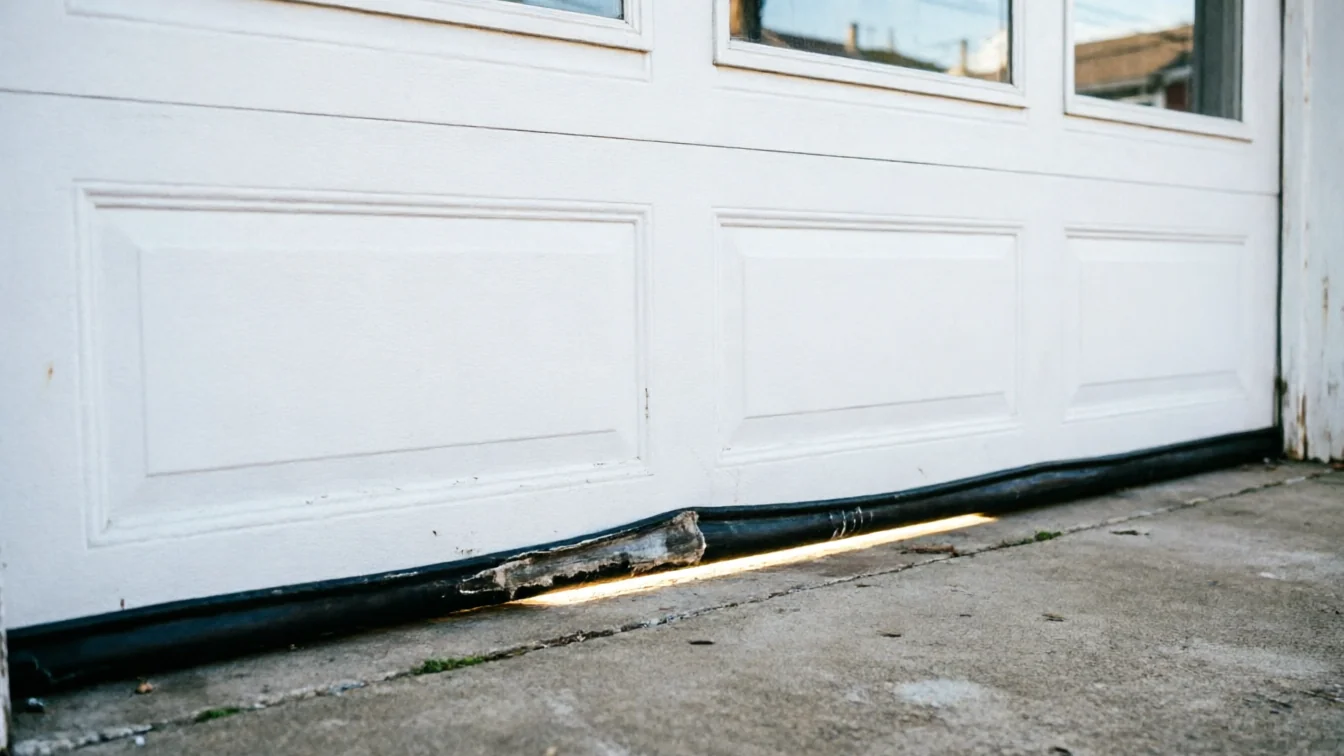
If you own a house in the Carlisle area, odds are it was built somewhere between 1938 and 1998, with the median landing around 1962. That means the garage door on it, even if it's been replaced once since, is probably sitting on an opening that was framed before anybody worried much about insulation or weatherstripping standards. A lot of the housing across this service area - we're talking 33 named towns and townships from Schlusser out to Dillsburg and Gardners - shares that same 1960s-70s build era, so the same seal problems show up house after house. The bottom seal hardens and cracks. The side seals pull away from the track frame because the frame itself has shifted slightly over sixty-plus years. Daylight gets in around the top panel. None of this is dramatic. It's just a door built for an opening that's moved and a seal that's outlived its rubber. By the time you can see light through the gap, you've already been losing heat through it for a season or two.
The area
What the Weather Here Does to It
This area sits in a severe cold climate band, and that matters more for door seals than people think. It's not one hard freeze that does the damage - it's the repeated cycle of cold nights and warmer days that makes vinyl and rubber seals stiffen, shrink, and eventually split. A seal that was pliable in October can be brittle by February. On a house built in the 1960s stock common to this area, the door frame itself has had decades of that same cycling, so the opening is rarely perfectly square anymore. That combination - a slightly out-of-true frame plus a seal that's lost its flexibility - is what lets draughts in along the sides and bottom even on doors that look fine from the driveway. Cold air finds the path of least resistance, and on an older Carlisle-area garage, that path is almost always the weatherstripping, not the panel itself.
What we find
Checking It Yourself
Pick a cold evening and turn off the garage light. If you see daylight or porch light leaking in around the door edges, that's your gap. Run a hand along the bottom seal - if it's stiff enough that it doesn't flex back when you press it, it's past its working life. Check the vertical seals where the door meets the track frame; on houses from the 1938-1998 era common here, these often pull loose at the top corners first, where the frame has settled the most. A sheet of paper is a decent test too: close the door on it and try to slide it out. If it comes out without resistance in multiple spots along the bottom, the seal isn't doing its job anymore. None of this takes tools, just a cold night and a few minutes before you decide it's worth a call.
How we work
Where People Go Wrong
The most common mistake is replacing the bottom seal and stopping there, when the real draught is coming from a side seal or a frame that's no longer square - common on the older stock through this area. Caulking around the frame can help, but it won't fix a seal that's cracked, and it won't fix a track that's drifted out of alignment over sixty years of settling. We'll be honest: if the frame itself is badly out of square, a new seal is a short-term patch, not a fix, and we'll tell you that instead of selling you a part that won't hold. On the other hand, don't assume a draughty door means you need a whole new unit - most of the time on these older Carlisle-area homes, it's the seals and the frame alignment, not the panel, and that's a cheaper job to get right.
Questions
Common questions
Why does my garage door let in cold air even though it closes all the way?
On houses in this area built mostly between 1938 and 1998, the door frame has usually shifted slightly over the decades, so even a fully closed door can leave small gaps along the sides or bottom. Add a hardened, cracked seal from years of cold cycling, and you get draughts even with the door latched tight.
How often should I replace garage door seals in a climate like this?
There's no fixed schedule in the facts we work from, but the severe cold cycling in this area tends to stiffen and crack vinyl seals faster than in milder climates. Check them each fall before the cold sets in, and replace any seal that's lost its flex rather than waiting for a visible gap.
Will new weatherstripping fix a garage door that's draughty all over?
Sometimes, but not always. If the frame itself is out of square, which is common on homes from the 1960s-70s stock typical in this area, a new seal only helps where the frame still meets the door evenly. We'll check the frame alignment first so you're not paying for a seal that won't solve the problem.
Recommendation
You Might Also Like
More garage door guides for Carlisle homeowners.
Why Older Carlisle Doors Struggle With the Cold
Carlisle homes mostly date 1938-1998, median 1962, built before modern insulation codes.
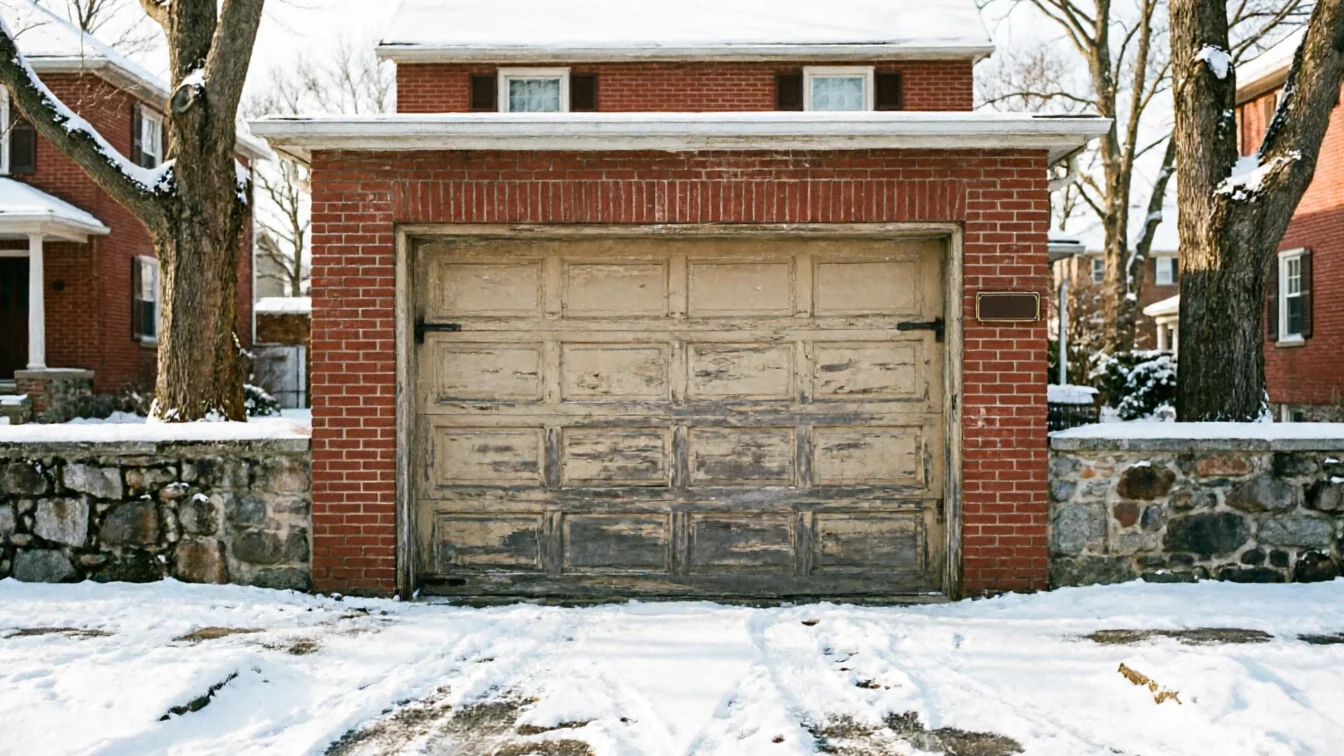 Is Your Old Carlisle Garage Door Worth Fixing
Carlisle homes mostly date 1938-1998.
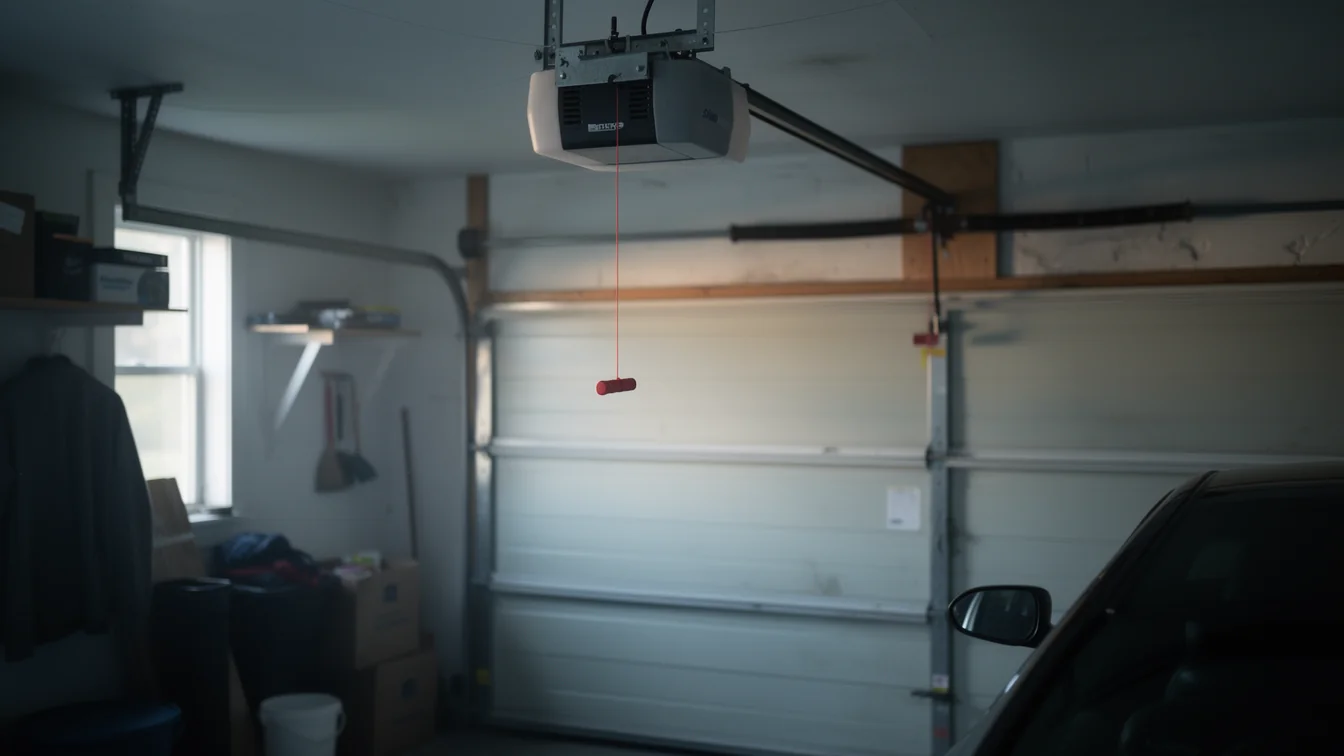 Openers and Power Cuts in Carlisle Homes
Carlisle homes built mostly 1938-1998 pair old opener wiring with severe cold winters.
Ready when you are
Need a garage door sorted in Carlisle?
Carlisle Garage Door Pros repairs and installs garage doors, springs and openers in Carlisle, PA and the surrounding area.